Consulting and Assessment
Work out where the problem actually is before deciding whether to build anything. You can buy the assessment on its own.
RAYPO
We come to your floor and judge which steps are worth changing and which are not. Once you decide to build, mechanical, electrical, software and firmware all sit with one team.
Consulting and assessment. We visit the floor, watch the actual work, and judge which steps are worth automating. You can buy the assessment on its own.
Design and build. Mechanical design and fabrication, electrical and equipment integration, vision and software, firmware and embedded. All four in-house.
Drone hardware. We design and assemble industrial drones ourselves, flight-tested indoors and outdoors.
Drone services. Solar panel inspection and cleaning, and indoor site inspection.
The most expensive mistake in automation is not buying the wrong machine. It is automating a step that should have been left alone.
On any given line, usually only one or two steps genuinely justify the spend. The rest may be too low-volume, too variable, or fixable by changing how the work is organised. Put a machine there and the floor gets harder to adjust, not easier. Telling these apart takes a visit.
So the assessment is a service you can buy on its own. Take the judgement and build it yourself, hand it to someone else, or hand it to us. We will not call something feasible in order to win the next contract.
Four disciplines, one team. On most projects the difficulty is not the depth of any one discipline. It is the boundaries between them. The mechanical designer does not know how stable the lighting has to be for the vision algorithm; the firmware engineer never sees the mechanical tolerances. Every revision then means another round-trip across three vendors. Our own drones were built this way: frame, electronics and firmware all in one team, with no vendor round-trips.
We know both the floor and the AI. Machine learning and large language models have moved fast, and almost none of it has reached traditional manufacturing. Not because the technology is immature, but because the people who know the floor do not know AI, and the people who know AI have never worked in a factory. We join the two.
Our first customer was ourselves. Our own accounting, customer records and inventory all run on AI systems we wrote.
Nothing gets handed off. You talk to the people who do the work, from assessment through delivery. No gap between what sales promised and what engineering builds.
No supplier lock-in. We hold no distribution agreements, so we have no inventory we need to move. Robot brand, camera, PLC and protocol are chosen per project.
Services
Work out where the problem actually is before deciding whether to build anything. You can buy the assessment on its own.
Four disciplines in-house: mechanical, electrical, software, firmware. No stitching together four vendors.
We design and assemble our own industrial drones, flight-tested both indoors and outdoors.
Inspection and cleaning of solar sites and inspection of indoor facilities, flown by certified pilots.
Case Studies
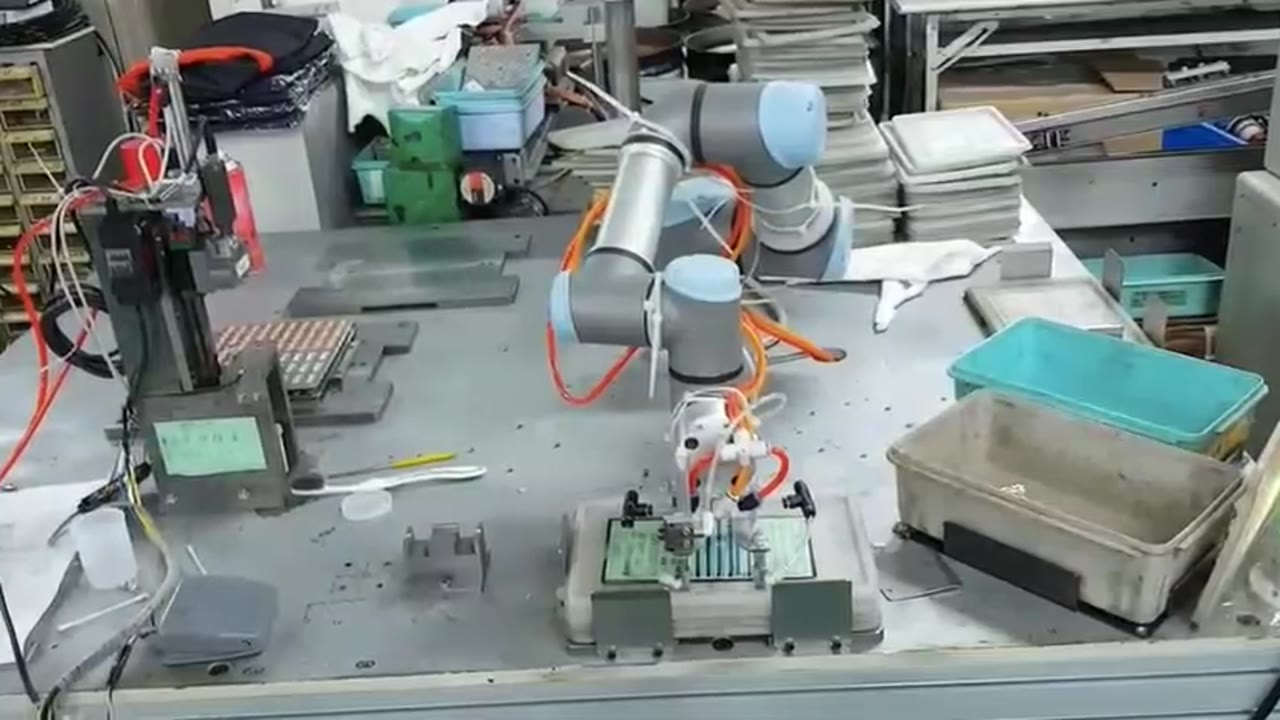
Electronic components
A collaborative robot arm paired with a linear station, tied into the customer’s existing conveyor.
Read This Case
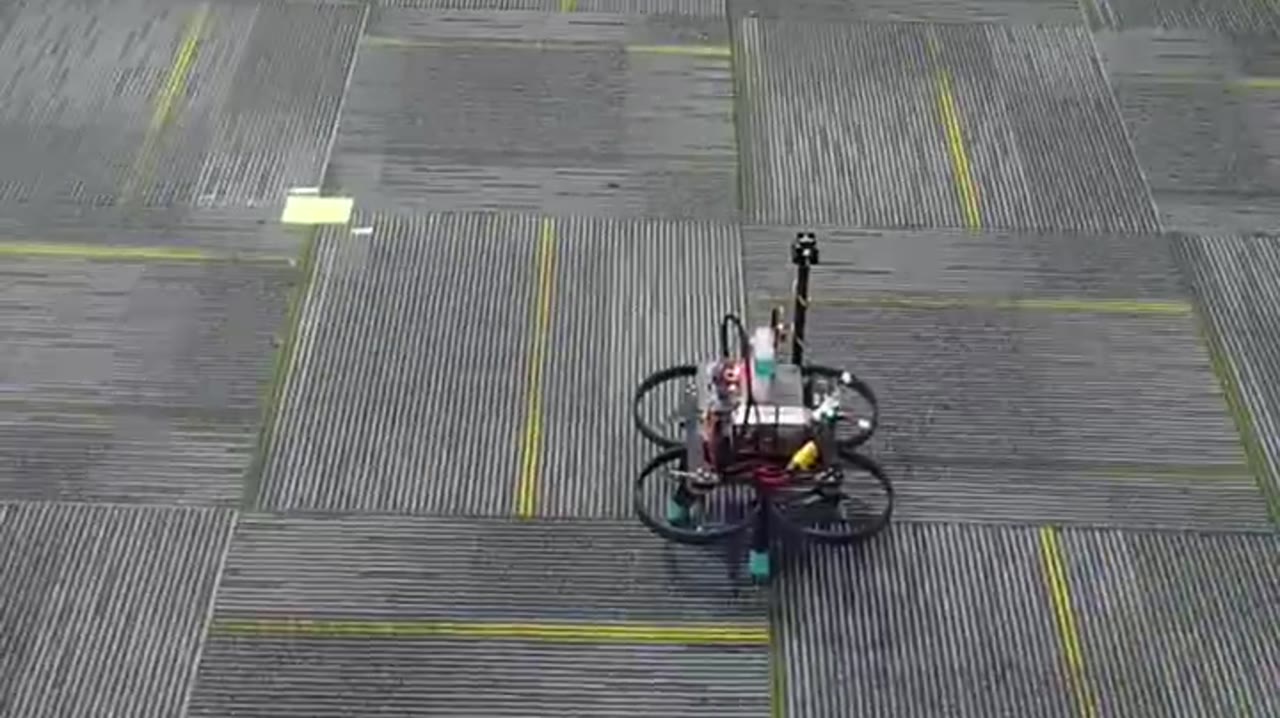
A ducted quadcopter with fully shrouded propellers, developed for inspection work indoors and around people.
Read This Case
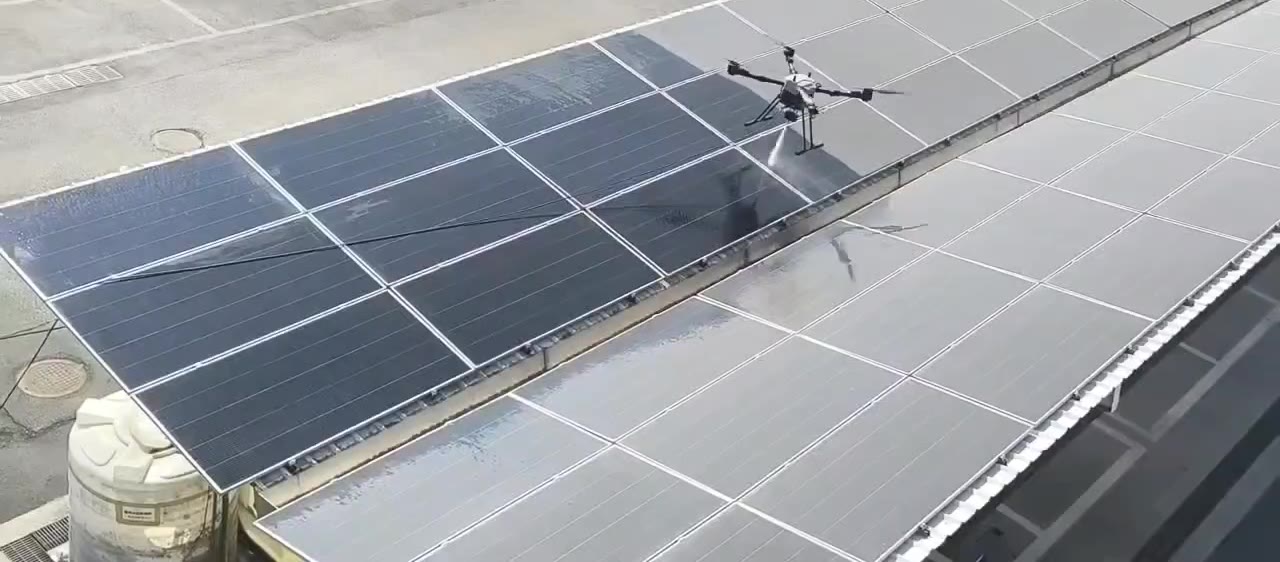
A drone carrying a spray head, tethered to a ground water supply, cleaning a rooftop solar array.
Read This Case